Bye Bye Morphine
It has now been over 24 hours since I took my last dose of morphine. I'm still on the terrible paracetamol (4 x 1g/day), but it's nice to be off the morphine. I've been through big surgery before, but I have never had to eat morphine for this long, and I am experiencing some really weird side-effects that nobody at the hospital told me about. I realize that the stuff I've been prescribed is childrens' stuff compared to "serious morphine use", but if you're not used to it, this stuff appears rather potent 🙂
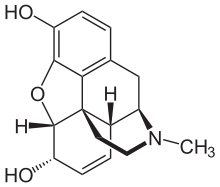
I've been reading up on withdrawal from morphine and I can match some of the descriptions 100% with what I'm going through. I find it very odd that the hospital staff didn't say one word about this, other than the fact that "You may find it hard to stop using the morphine." - WTF!
I don't find that everything matches, but I'm excessively tired, slightly irritable, and somewhat restless. A runny nose has also been the case. I know time and rehab workouts will do away with it though.
Here's some stuff from Wikipedia:
Cessation of dosing with morphine creates the prototypical opioid withdrawal syndrome, which, unlike that of barbiturates, benzodiazepines, alcohol, or sedative-hypnotics, is not fatal by itself in neurologically healthy patients without heart or lung problems.
Acute morphine along with any other opioid withdrawal proceeds through a number of stages. Other opioids differ in the intensity and length of each, and weak opioids and mixed agonist-antagonists may have acute withdrawal syndromes that do not reach the highest level. As commonly cited, they are:
Stage I: Six to fourteen hours after last dose: Drug craving, anxiety, irritability, perspiration, and mild to moderate dysphoria.
Stage II: Fourteen to eighteen hours after last dose: Yawning, heavy perspiration, mild depression, lacrimation, crying, running nose, dysphoria, also intensification of the above symptoms. "yen sleep" (a waking trance-like state)
Stage III: Sixteen to twenty-four hours after last dose: Rhinorrhea (runny nose) and increase in other of the above, dilated pupils, piloerection (goose bumps - giving the name 'cold turkey'), muscle twitches, hot flashes, cold flashes, aching bones and muscles, loss of appetite and the beginning of intestinal cramping.
Stage IV: Twenty-four to thirty-six hours after last dose: Increase in all of the above including severe cramping and involuntary leg movements ("kicking the habit" also called restless leg syndrome), loose stool, insomnia, elevation of blood pressure, moderate elevation in body temperature, increase in frequency of breathing and tidal volume, tachycardia (elevated pulse), restlessness, nausea
Stage V: Thirty-six to seventy-two hours after last dose: Increase in the above, fetal position, vomiting, free and frequent liquid diarrhea, which sometimes can accelerate the time of passage of food from mouth to out of system to an hour or less, weight loss of two to five kilos per 24 hours, increased white cell count and other blood changes.
Stage VI: After completion of above: Recovery of appetite and normal bowel function, beginning of transition to post-acute and chronic symptoms that are mainly psychological but that may also include increased sensitivity to pain, hypertension, colitis or other gastrointestinal afflictions related to motility, and problems with weight control in either direction.